Source Forestry Laser Rangefinder for Hunting and Golf
Find a forestry laser rangefinder for hunting and golf among 27 available models. Compare magnification, measurement range, and accuracy to select the right device for outdoor sports and professional use; compare the available evidence and request quotations based on your requirements.
Key considerations
Products List




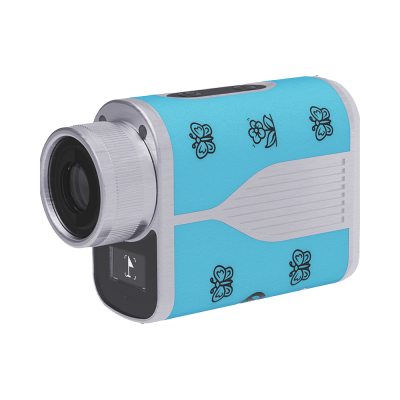
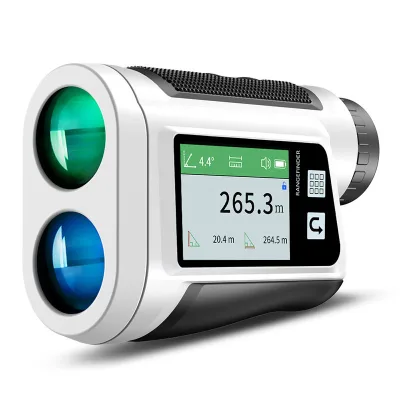


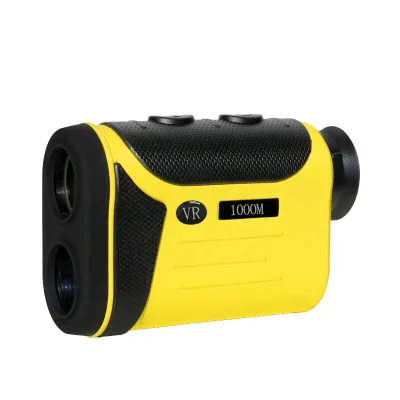
Comprehensive Sourcing Guide
Forestry Laser Rangefinder for Hunting and Golf Sourcing Guide
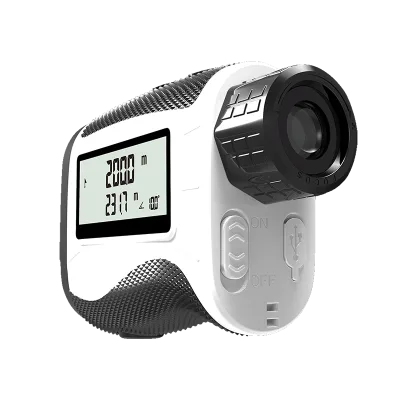
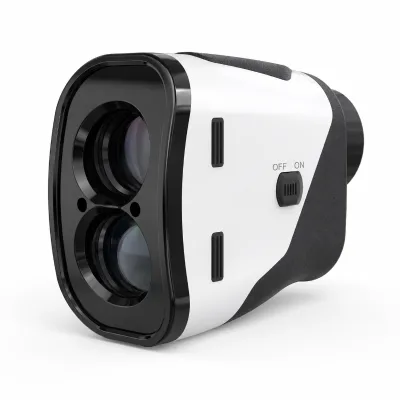
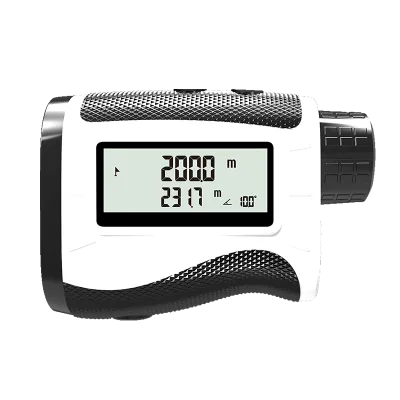
Procuring forestry laser rangefinders for hunting and golf requires a nuanced understanding of optical performance and environmental durability. Buyers must distinguish between general outdoor use and specialized applications that demand high magnification and precise distance measurement. The market offers devices with varying magnification levels, including 6X, 7X, 8X, and 10X options, each suited to different terrain and target distances. Understanding these optical differences is critical for selecting the right tool for specific forestry or golfing scenarios.
Commercial listings reveal a wide spectrum of product models, ranging from basic units like the P-1000 to advanced models such as the 1500AS and 15000CI. These variations often correlate with measuring ranges, with some devices covering up to 1500 meters while others are optimized for shorter, more precise distances typical in golf. Sourcing teams should evaluate these model-specific capabilities against their operational needs, ensuring that the selected rangefinder meets the required accuracy and range specifications for both hunting and golf applications.
Product Scope and Observed Listing Signals
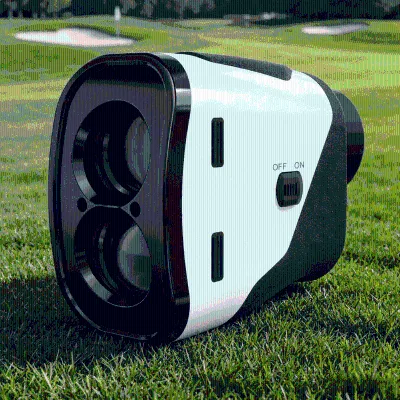
The observed product scope includes a diverse array of rangefinders designed for outdoor sports, with specific models tailored for hunting and golf. Listings indicate that customization is available, allowing buyers to tailor features such as branding and packaging to their specific market needs. The presence of models like the Golf Rangefinder and SH115 suggests a broad applicability across different outdoor activities, with some devices explicitly marketed for hunting, golf, and other outdoor sports. This versatility requires careful evaluation to ensure the selected device aligns with the primary use case.
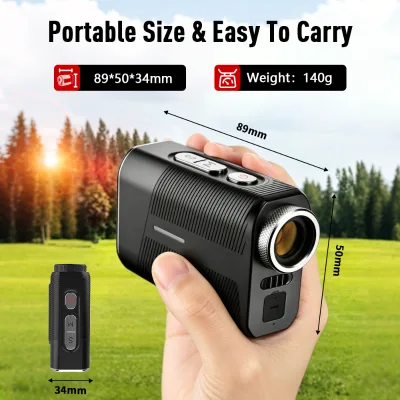
Observed listing signals highlight significant variations in physical specifications and packaging. Product weights range from lightweight options at 200g to heavier units, with dimensions varying from compact sizes like 1027036mm to larger units measuring 167mm212mm82mm. Packaging types include carton, color box, and standard box options, indicating flexibility in supply chain logistics. Buyers should consider these physical attributes when planning storage, shipping, and end-user experience, as they directly impact the overall cost and usability of the procured devices.
Technical Specifications to Verify
Verifying technical specifications is paramount to ensuring the rangefinder performs reliably in the field. Key parameters to confirm include magnification, measuring range, and resolution, with observed values ranging from 4-1500m and resolutions as fine as 0.1m. Buyers should also check the eyepiece aperture, with observed sizes like 27mm, and the objective diameter, which can be 25mm. These optical characteristics directly influence image clarity and brightness, which are crucial for accurate distance measurement in varying light conditions typical of forestry and golf courses.
Battery type and working temperature range are critical technical factors that affect device longevity and performance. Observed battery options include Cr2-3V Lithium Batteries and built-in lithium batteries, each with distinct rechargeability and lifespan characteristics. Working temperature ranges vary, with some devices operating from -10°C to 50°C and others from -20°C to 60°C. Buyers must verify these specifications against their local climate conditions to ensure the rangefinder remains functional in extreme weather, preventing operational failures during critical hunting or golfing seasons.
Compliance and Safety Documentation
Compliance with laser safety standards is essential for both legal and safety reasons. Buyers should verify that the laser type, often 905nm, falls within Class 1 or other relevant safety classifications, ensuring it is safe for human eye exposure under normal operating conditions. Documentation should include clear labeling of laser class and wavelength, providing assurance that the device meets international safety regulations. This verification is particularly important for devices intended for professional use or export to markets with strict laser safety laws.
Waterproof ratings and material composition are also key compliance and durability factors. Observed waterproof ratings include IPX4, indicating protection against water splashes from any direction. Materials such as PVC may be used in specific components, affecting the device's resistance to environmental wear. Buyers should request test reports or certification documents that confirm these ratings and material properties, ensuring the rangefinder can withstand the rigors of outdoor use without compromising safety or performance.
Cost Drivers and Commercial Terms
Cost drivers for forestry laser rangefinders include magnification, measuring range, and customization options. Higher magnification and extended measuring ranges typically command higher prices, as seen in the observed price range of $25.9 to $48,480. Customization services, such as branding and packaging, add to the overall cost but can enhance brand value and market positioning. Buyers should balance these features against their budget constraints, prioritizing specifications that directly impact user satisfaction and operational efficiency.
Commercial terms, including MOQ and lead times, significantly influence procurement strategy. Observed MOQs range from 1 to 500 sets, with some suppliers requiring minimum orders of 500 sets for certain models. Lead times and production schedules should be clarified early in the sourcing process to ensure timely delivery. Buyers should negotiate terms that align with their inventory management strategies, considering factors such as storage capacity and market demand fluctuations to optimize cash flow and supply chain resilience.
Supplier Qualification and Quality Control
Supplier qualification involves assessing the manufacturer's capability to produce consistent, high-quality rangefinders. Buyers should verify the supplier's production capacity, quality control processes, and experience in the optical device industry. Observations indicate that many suppliers are located in Guangdong, China, a hub for electronics and optical manufacturing. Evaluating the supplier's track record, including past performance and customer feedback, helps mitigate risks associated with quality inconsistencies and delivery delays.
Quality control measures should include rigorous testing of optical performance, battery life, and environmental resistance. Buyers should request samples for thorough evaluation, checking parameters such as measurement accuracy, which can be ±0.3m or ±1Y/0.1%. Additionally, inspecting the physical build quality, including packaging and material durability, ensures the product meets expected standards. Establishing clear quality acceptance criteria and conducting regular audits helps maintain product integrity and supplier accountability throughout the procurement lifecycle.
Long-Term Procurement Checks
Long-term procurement checks focus on sustaining supplier performance and product reliability over time. Buyers should implement periodic reviews of supplier quality metrics, including defect rates and customer complaints, to identify potential issues early. Continuous monitoring of market trends and technological advancements ensures that the procured rangefinders remain competitive and relevant. Engaging in regular communication with suppliers fosters a collaborative relationship, enabling proactive problem-solving and innovation in product development.
Sustainability and ethical sourcing practices are increasingly important in long-term procurement strategies. Buyers should assess suppliers' adherence to environmental regulations and labor standards, ensuring responsible sourcing of materials and manufacturing processes. This includes verifying the use of eco-friendly materials and energy-efficient production methods. By prioritizing sustainability, buyers can enhance their brand reputation and contribute to a more responsible supply chain, aligning with global trends towards ethical and environmentally conscious business practices.
FAQs
What magnification options are available for these rangefinders?
Available magnification options include 6X, 7X, 8X, and 10X depending on the specific model selected. Buyers can choose between different optical powers to suit various hunting or golfing distances. Customization is also available to meet specific operational requirements for different field conditions.
How accurate are the distance measurements provided by these devices?
Measurement accuracy is typically within ±0.3 meters or ±1 yard with a resolution of 0.1 meters. Some models offer addition and subtraction accuracy of 0.3 meters. These precision levels ensure reliable data for both professional forestry applications and recreational golf activities.
Can these rangefinders operate in extreme cold weather conditions?
Yes, the devices function within a working temperature range of -20°C to 50°C or -10°C to 50°C depending on the unit. This wide operational range ensures reliability during winter hunting trips or early morning golf rounds in colder climates without performance degradation.
What is the minimum order quantity for purchasing these units?
The minimum order quantity varies from 1 unit for samples up to 500 sets for bulk orders. Specific models like the P-3000 may require a 500-set minimum. Buyers should verify the exact MOQ for their chosen model before placing a large procurement request.
Which battery types power these laser rangefinders effectively?
These units are powered by CR2 3V Lithium Batteries or built-in Lithium Batteries depending on the specific model. The battery type ensures long-lasting performance during extended outdoor use. Users should check the specific model requirements to ensure compatible power sources are available.
Are these rangefinders suitable for both hunting and golf applications?
Yes, the product application explicitly covers hunting, golf, and outdoor sports. The devices feature laser types like 905nm Class 1 suitable for these activities. Their design supports versatile use across different terrains and sporting environments for maximum utility.
What is the maximum measurement range for these laser devices?
Measurement ranges vary by model, with options extending up to 1500 meters or 1200 yards. Some units cover 4 to 1500 meters while others reach 5 to 1000 meters. Buyers should select a model based on the specific distance requirements of their intended hunting or golf course.